Proper waste disposal is key to keeping New Jersey communities clean at all times. One tool commonly used to ensure this is a dumpster. However, not everything can simply be tossed into it. Some items require special handling. These may include hazardous chemicals and large appliances.
In New Jersey, strict regulations govern what can and cannot be tossed in dumpsters. Improper disposal can lead to environmental contamination. It can also cause some serious safety hazards. This can put you on the wrong side of the law, hence attracting hefty fines.
This article explains the different NJ waste disposal rules that you need to be aware of.
Hazardous Chemicals and Materials
Hazardous chemicals and materials pose serious risks to both people and the environment. It’s for this reason that they are strictly regulated when it comes to disposal.
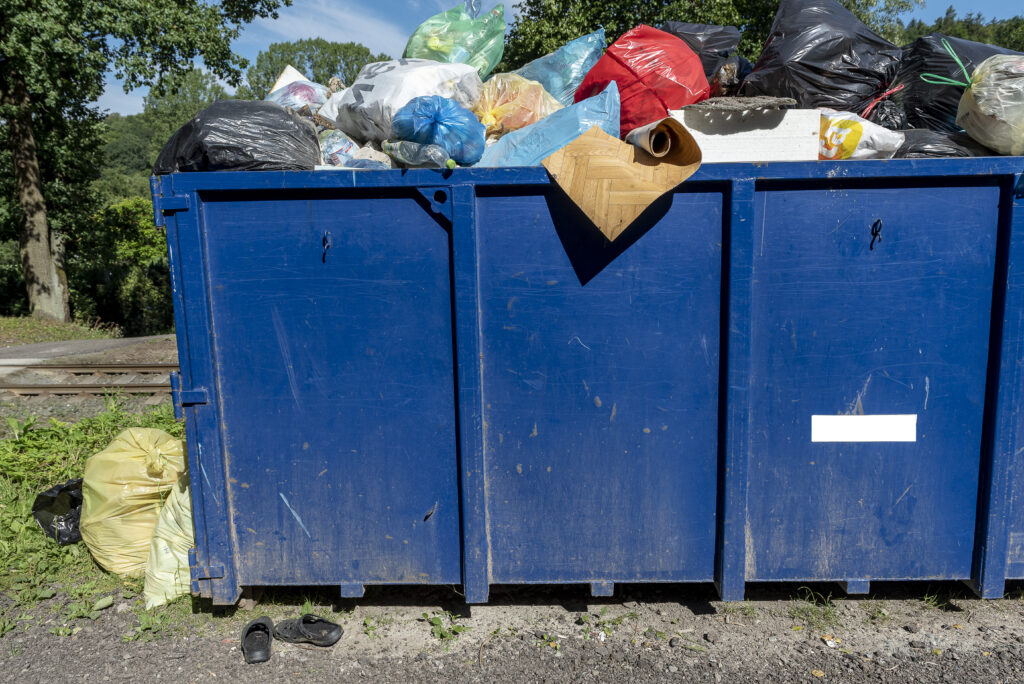
Don’t Break The Law When Filling Your Dumpster In NJ
They can include substances like paints and solvents. Others, like pesticides and certain cleaning products, are also prohibited. The main reason behind this is that they can end up leaking into soil and water if improperly discarded.
In New Jersey, these materials have to be handled through specialized collection programs. Hazardous waste facilities also do the job quite well.
You shouldn’t attempt to throw them in regular waste containers. This is because you’ll be attracting fines. In addition to this, you’ll be putting the environment and other people at risk.
Electronics and E-Waste
E-waste usually includes heavy metals like lead and cadmium. When these compounds leach into the soil and water, they can end up posing some serious risks.
In New Jersey, electronic devices have to be recycled. This should be done through certified e-waste programs. Therefore, it’s not recommended to throw them into a dumpster.
Their proper disposal goes a long way in preventing pollution. It also allows valuables like copper and gold to be recovered and reused.
Therefore, you should take advantage of designated drop-off centers or scheduled collection events.
Large Appliances (White Goods)
They include items like refrigerators, washing machines, and dishwashers. Such bulky items can’t just be thrown away with regular trash. This is mostly because of their size and the materials they contain. For instance, some have oils and refrigerants.
Improper disposal of white goods is considered unsafe. In fact, it’s illegal. This is because it can pose environmental hazards and complicate waste management processes.
To dispose of large appliances, consider using specialized recycling programs. You should also take advantage of scheduled municipal pick-ups. You can also utilize the services of licensed waste haulers. Through such steps, you can make sure your appliances are handled safely and in compliance with state regulations.
Batteries and Fluorescent Bulbs
These elements contain toxic substances. For instance, batteries hold heavy metals like lead. On their part, fluorescent bulbs contain small amounts of mercury vapor. Such elements can cause harm to the environment. In addition to this, they can pose health risks if broken.
Improper disposal can contaminate soil and water. In such a situation, it creates long-term hazards for communities.
As a New Jersey resident, you need to note that the disposal of these materials is prohibited. Therefore, consider taking them to designated recycling centers. Through such services, they can be safely processed and kept out of landfills.
Yard Waste and Construction Debris
New Jersey also has strict rules regarding yard waste and construction debris. It’s important that you are aware that landscaping materials like leaves and tree branches are prohibited. Instead, they should be taken to designated composting or recycling facilities.
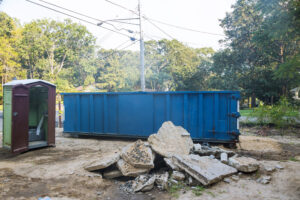
The same thing applies to construction debris. You can’t throw materials like concrete or drywall into a dumpster. Such waste requires special handling due to its weight and potential hazards.
Improper disposal can lead to fines. Therefore, you need to plan ahead and use licensed transfer stations. The right professionals will be able to manage these materials in a safe and responsible manner.
Having a good idea of what can’t go into dumpsters is essential for staying compliant with New Jersey waste disposal regulations. It also helps protect both the environment and your community. However, for the best possible experience, you want to ensure you are working with the right professionals. At Go Pro Waste, we are a responsible dumpster provider and understand NJ’s waste disposal rules. We are therefore able to help you avoid fines. This is all while making sure waste is managed safely and efficiently. Let’s help you contribute to a healthier and safer New Jersey for everyone.