Big builds make big messes. Concrete, drywall, wood, endless torn packaging, it stacks up faster than you’d ever believe. And here’s the trap. Too few dumpsters and the whole site jams. Too many, and you’re renting expensive empty steel. So how many is right? Part math, part experience, and totally worth getting right.
Good news. Sizing the dumpsters for a commercial construction project follows a logic you can actually learn. Pin down a handful of factors early, and the debris keeps flowing without ever burning cash.
What Actually Drives the Number
Forget guessing. Every commercial construction project is a little different, but a few very real variables decide the whole thing, and they’re not hard to read once you know exactly where to look.
Size, Scope, and Square Footage
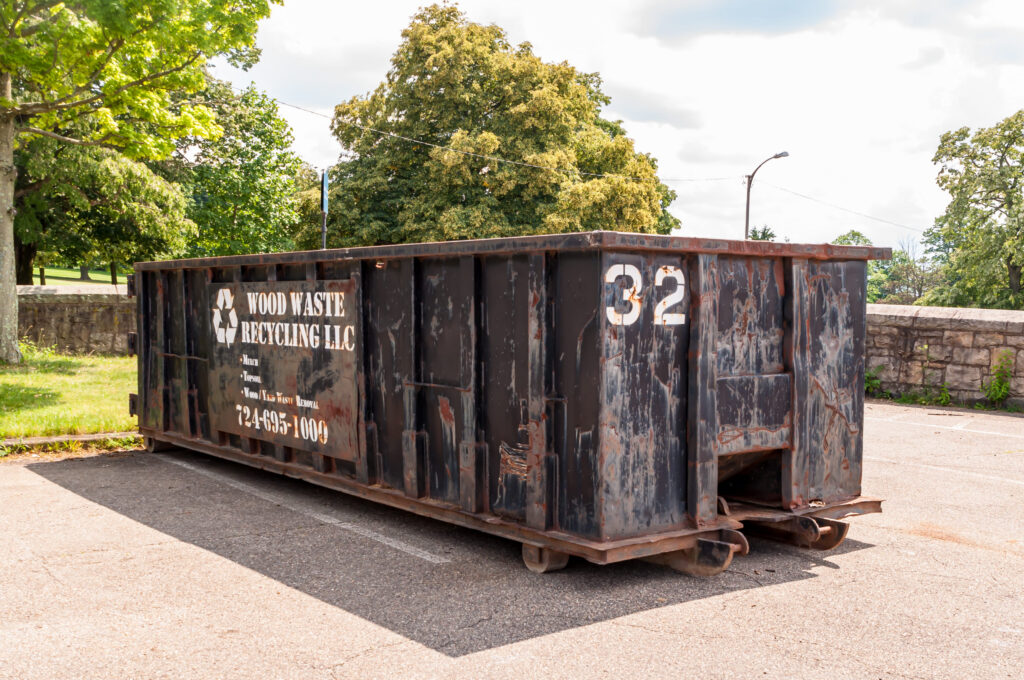
Dumpster For Commercial Construction Materials
Start with scale. Always. The square footage, the type of build, and the amount of demolition set the baseline for everything else.
- Total square footage is, far and away, the single biggest driver of raw volume.
- The type of work: ground-up build, gut renovation, or straight demolition.
- The materials, since a concrete pour buries bins way faster than a light fit-out.
Bigger footprint, bigger pile. Simple as that. A larger commercial construction project generates more waste, so a rough volume estimate is honestly where every solid plan begins.
Debris and the Phases It Comes In
Here’s what trips people up. Waste isn’t one thing, and it doesn’t arrive all at once. It shifts by type and by timeline.
Weight Versus Volume
Not all debris weighs the same, and that one fact changes everything.
- Concrete, brick, and dirt, heavy stuff, capped by weight long before the bin looks full.
- Wood, drywall, and packaging, bulky and light, are capped instead by sheer volume.
- Mixed loads, usually landing somewhere in the messy middle of the two.
Two identical footprints can somehow need wildly different setups. A demolition-heavy job requires more small bins to handle the weight. A framing phase, meanwhile, fills the big ones right up by volume.
Waves of Waste
A commercial construction project never dumps its waste in one steady trickle. It comes in waves. Demolition and site prep hit the heaviest and earliest. The build phase piles on wood, metal, and packaging. Finishing tosses out drywall scrap, flooring offcuts, and stacks of boxes. Since the debris keeps morphing, so does your bin count, which is exactly why big jobs run on scheduled swap-outs instead of a frozen number parked on site all day.
Getting the Setup Right
Numbers on paper are only ever a start. A clean, moving site is the actual goal here. And the fastest way there? Stop guessing entirely and bring in someone who’s done it a hundred times over, on jobs just like yours.
Let the Hauler Do the Math
Here’s the smart play. Loop in a seasoned hauler early, before the very first load even piles up. They’ve sized job after job and can match bins and swap schedules straight to your timeline. Recycling counts too, and pulling out concrete and metal can trim real costs, something the EPA pushes hard for construction debris. A solid dumpster rental partner handles the sizing, swaps, and permits, so your crew never stops building. For a large commercial construction project, that steady partnership is what keeps the site clean and the calendar honest. Ready to plan yours? Contact Go Pro Waste for a free estimate.
Frequently Asked Questions
What size dumpsters suit commercial construction best?
Big roll-off containers, usually in the 20- to 30-yard range, do the real heavy lifting on major sites. More volume per single haul and fewer pickups overall. But concrete and other dense, heavy debris often require smaller bins to stay within the weight cap. The right blend depends on your materials and your current phase, so let an experienced hauler map it all out with you.
How often do the dumpsters need to be swapped?
Depends on the pace and on how fast that pile actually grows. Demolition or framing weeks can burn through several swaps, sometimes back-to-back, while quiet finishing stretches barely need a single one. Instead of guessing, most big jobs set up an on-call or scheduled swap with their hauler, so a full bin gets yanked and swapped out for a fresh one before the crew ever has to slow down or stop.
Does the type of debris change how many I need?
Big time, yes. Concrete and brick cap out fast on weight, filling fewer bins by volume. Wood and drywall cap out in space instead, filling them up quickly. A job loaded up heavily with one or the other needs a totally different mix of containers on site. Tell your hauler exactly what you’re tossing out up front, and they’ll size the whole setup right the very first time, no do-overs.
Can you handle recycling right on site?
Yes, and it genuinely pays to. Separating concrete, metal, and wood cuts landfill costs and hits real sustainability targets, and plenty of big projects now require it outright. Baking recycling into the waste plan from day one just plain makes sense. Want a full recycling and disposal system built for your specific site? Contact Us for a free, no-obligation estimate