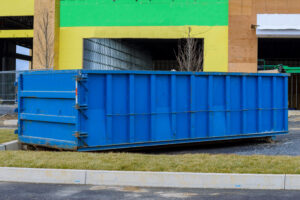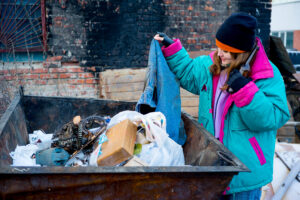
Are you planning a project in New Jersey and thinking of renting a dumpster? If that’s the case, you should be aware of safety guidelines and NJ regulations. Every municipality has specific guidelines for handling street dumpsters. You must follow safety guidelines while renting a dumpster in NJ to avoid property damage, legal issues, environmental hazards, and personal injuries. No permit is required for placing a dumpster on your private property, but a permit from a local NJ municipality is required for using public land.
You need to stick to the weight limit and use the duration set by NJ regulations to avoid legal fines and penalties. You cannot dispose of hazardous materials (paint, oil) or prohibited items (large appliances, gas cylinders) in the dumpster, as the NJ government has banned them. Illegal disposal leads to fines and other penalties.
Why Safety Matters When Renting a Dumpster?
Safety matters when renting a dumpster because improper use can lead to legal consequences, property damage, and serious injuries. You must follow safety protocols to protect yourself, your property, and your workers.
Safety & Guidelines For Dumpster Rental
Listed below are the 4 main safety concerns when renting a dumpster.
- Personal injuries: Falls, back strains, and cuts occur due to overloading, improper climbing, or improper lifting.
- Property damage: Incorrect placement of a rental dumpster in NJ may damage driveways, sidewalks, or underground utilities.
- Legal issues: Legal issues arose for violating NJ dumpster regulations. You need to pay a fine to the state government if you place a dumpster on a public street without a permit.
- Environmental hazards: Environmental hazards occur when NJ homeowners dump prohibited or hazardous materials in a dumpster. You will pay penalties for harming the environment
What are the safety and guidelines set by NJ Dumpster Regulations when renting a Dumpster?
Listed below are 7 safety guidelines set by New Jersey Dumpster Regulations when renting a dumpster.
- Permits and Placement
You need a permit to place a dumpster on public streets, municipal property, or sidewalks. It is important to obtain a permit from your local municipality before a dumpster is delivered to your doorstep. This action will help you avoid legal penalties. There is no need to obtain a permit if you plan to keep it on your personal property and in your driveway.
You need to call the city’s public works department to obtain approval for your permit. If your residential area is governed by a Homeowner Association (HOA), you need permission from the HOA.
Placement rules for the dumpster go beyond “not blocking traffic”. You need to ensure that dumpsters are placed at least 15 feet from fire hydrants and 10 feet from intersections. Make sure to use wheel chocks or blocks to prevent the dumpster from rolling if you are placing it on a hill. The dumpster must be kept outside of the designated no-parking zone.
- Weight Limits and Size Restrictions
Dumpsters are available in different sizes from 10 to 40 cubic yards. There are specific weight limits set for every size of dumpster by NJ regulations. Make sure you do not exceed the weight limits, as exceeding them results in rental surcharges and fines.
Weight limits vary from one rental company to another. You should always confirm the weight limit from the specific company before renting a dumpster in NJ.
Listed below are industry‑standard weight limits commonly applied by dumpster rental companies in New Jersey:
- 10‑yard dumpsters: 1.5–2 tons (3,000–4,000 lbs)
- 15‑yard dumpsters: 1.5–2 tons (3,000–4,000 lbs)
- 20‑yard dumpsters: 2.5–3 tons (5,000–6,000 lbs)
- 30‑yard dumpsters: 3.5–4 tons (7,000–8,000 lbs)
- 40‑yard dumpsters: 4.5–5 tons (9,000–10,000 lbs)
3. Duration of Use
You can rent a dumpster in NJ for 14 days on-site, as is standard practice. Talk to the company about any adjustments they’ve made recently. Understand how long to keep a dumpster for home renovation cleanup.
4. Environmental concerns
You need to ensure that no waste from your home is scattered on any street, or you will face a fine. It is your duty to check that all items and the contents of your waste are fully secured.
5. Prohibited and Hazardous Materials
You cannot use a dumpster for prohibited or hazardous materials, such as flammable materials, paint, medical waste, propane tanks, large appliances, tires, chemicals, batteries, electronics, or asbestos. Disposal of hazardous material brings gal consequences, such as fines and environmental penalties.
Disposal of all these prohibited materials is banned by the NJ government. Local municipalities are authorized to enforce legal action against illegal dumping, as all disposals are monitored by camera.
The New Jersey Department of Environmental Protection (NJDEP) has taken measures against illegal dumping. You will have to pay legal fines if you dispose of waste illegally in NJ. Additional penalties of illegal disposal include loss of driver’s license, loss of road privileges, and forfeiture of the vehicle used in the crime.
6. Safe loading guidelines
You need to follow safe loading guidelines while renting a dumpster in NJ.
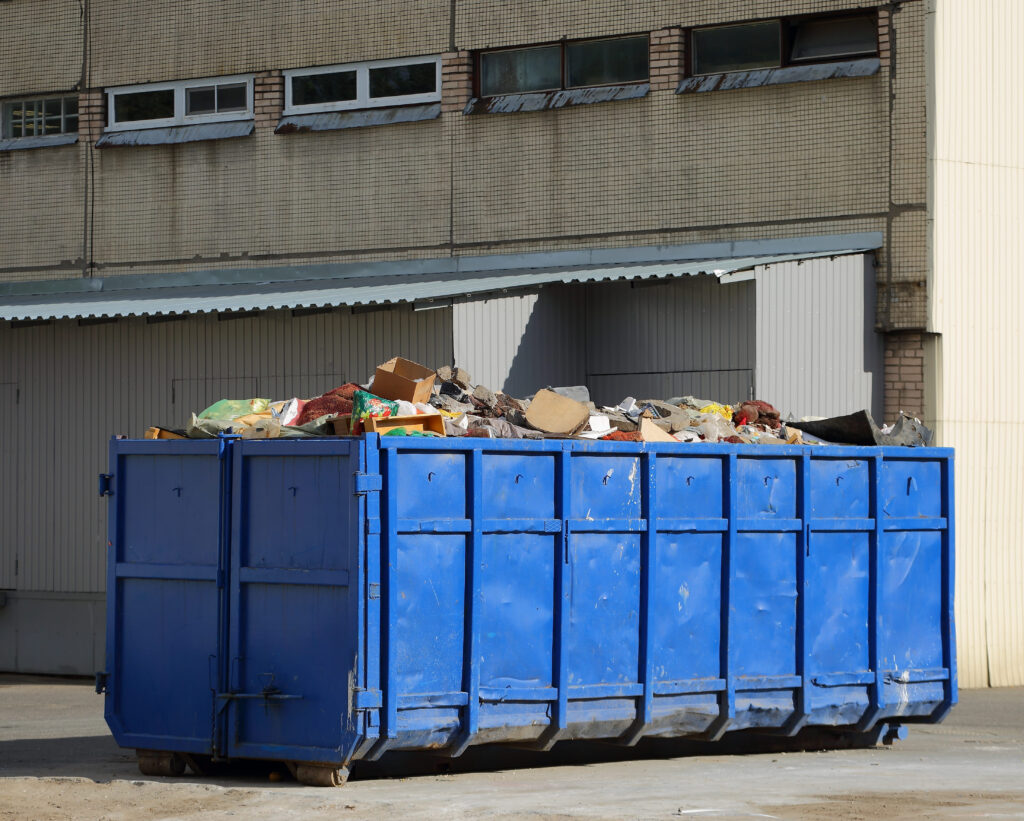
- Never overfill your dumpster; ensure waste does not exceed the container’s wall height. Overfilling a dumpster is dangerous during transport. Your driver will refuse to take that dumpster on the road or ask for an extra fee.
- When disposing of heavy materials like bricks, dirt, and concrete, you must adhere to weight restrictions. Exceeding the weight limit leads to an overweight fee. Always place plywood or wooden planks under the dumpster’s wheels to prevent property damage.
- Keep children and pets away from the dumpster.
- Do not block the walkway or any street.
- Cover the dumpster with a tarp so that trash doesn’t scatter or rainwater doesn’t accumulate inside.
7. Visibility and Safety
You need to use reflective marks on dumpsters if you place them on public property. These reflective markers remain visible at night and maintain road safety for drivers. Reflective markets must be placed on all four corners, and the exact type and size of tape varies from one town to another. Standard practice is to use orange or white reflective tape at least 6 inches wide.
How to do Safe Dumpster Placement and Setup?
Listed below are 4 main considerations for a safe dumpster placement and setup to ensure safety, convenience, and compliance with New Jersey’s regulations.
Private Property Placement
You should always place a dumpster on your private property if you have adequate space. Using your private property helps you avoid permit requirements. Always place the dumpster on a flat surface to prevent the dumpster from shifting or tipping over. You need to set up a dumpster in a way that there is sufficient space for the delivery truck to dump or maneuver the contents easily and without any blockage.
Public Property Placement
Always secure a permit before placing a dumpster on public property. You need to use safety barriers or cones around the dumpster in some areas so that vehicles or pedestrians do not accidentally come in contact with the dumpster.
Avoiding Damage to Property
You should rent plywood or boards and keep them under the dumpster’s wheel to provide additional support and to prevent damage to lawns, sidewalks, and driveways. Plywood distributes weight evenly on the ground and prevents cracks or dents. You need to ensure that the placement of the dumpster does not block or interfere with utilities or drainage paths.
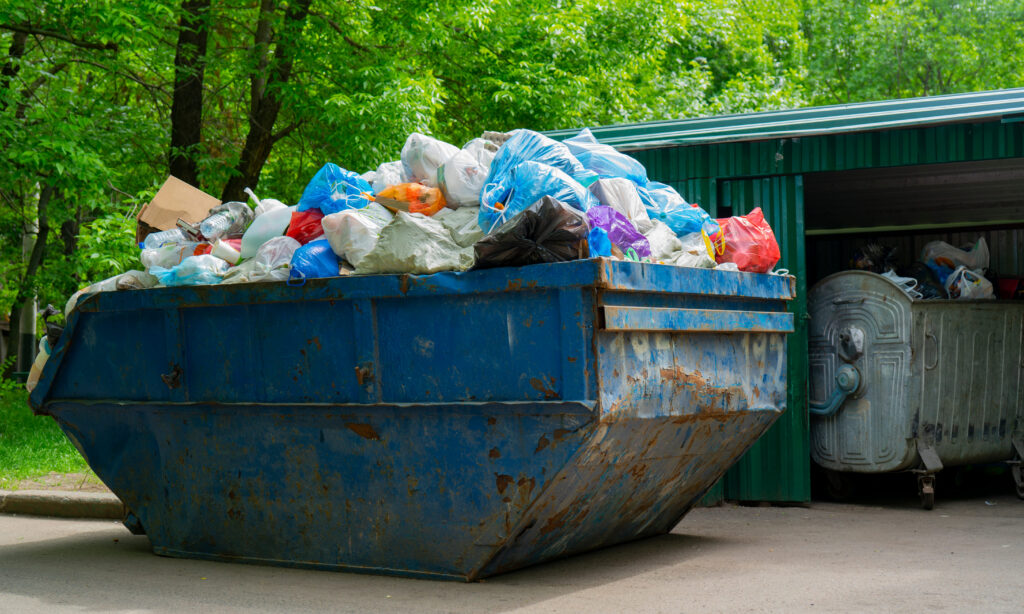
Dumpster Rental NJ
Accessibility for Loading and Pickup
You need to maintain easy access to loading around the dumpster. Make sure that the area around the dumpster is free from obstructions, there is no car, debris, or anything that blocks access for loading. You should choose the height of the dumpster wall according to the waste materials. Choose a lower-entry dumpster for disposing of heavy material because the small height of the dumpster allows you to load heavy items safely.
Conclusion
Renting a dumpster in NJ requires you to follow safety regulations and guidelines so that you do not face legal consequences like fines, fees, and penalties. Permits are required when you are placing a dumpster on public property.
Do not overfill a dumpster and stick to weight limits for safe disposal of material as per NJ regulations. Follow safety guidelines and tips to minimize risks and avoid fines. You should choose a licensed and experienced dumpster rental company to avoid accidents, fines, and inefficiencies. Always contact a waste removal expert if you are not sure how to handle construction debris.
FAQs
Who issues a dumpster permit in New Jersey, and where do I apply?
Municipal clerks and public work departments issue a dumpster permit in New Jersey. You can apply for a permit either online or in person.
Can I put a dumpster in the street or right-of-way in NJ?
You can put a dumpster in the street or right-of-way in NJ, but after getting a permit. You must follow city codes and local regulations for dumpster cleanup, placement, and hours to avoid fines and penalties from the state department.
What items are prohibited from dumpsters?
Common prohibited items from the dumpster include appliances with refrigerants, propane tanks, gas cylinders, tires, batteries, electronics, hazardous materials (oil, paint), medical waste, and asbestos. Read more and understand what can’t go in a dumpster.
Can I put construction debris in a dumpster in NJ?
Yes, you can put construction debris in a dumpster in NJ, but after confirming with your local municipality. Some municipalities require you to separate construction debris from regular waste since there are restrictions on some materials. You can contact us to understand the proper disposal of construction debris.
Do I need a permit for a dumpster in my driveway?
You do not need a permit for a dumpster in your driveway. But a permit is required when a dumpster is placed on public property.
How to safely dispose of hazardous waste?
You need to drop off hazardous materials safety at the local collection events and specialized disposal facilities in NJ. Contact the waste management service provider to get clear guidance on how to handle toxic substances as per state regulations.