Somewhere right now, a construction crew is setting up a job site. An event planner is mapping out a festival layout while a homeowner is getting a pool dug in the backyard.
In every single one of those situations, someone is asking the same question: Should I leave it like that? Is there any way to keep the space secure without making it permanent?
That is the whole point of a temporary fence because it goes up fast and does its job before coming down clean.
There are no concrete footings and there is no long-term commitment either. You just get reliable and flexible perimeter control exactly when you need it.
Construction Sites Use Temporary Fencing Every Single Day
Temporary Fencing For Your Needs
This is the most common use and for good reason. Active job sites are dangerous. Heavy equipment is moving. Materials are sitting out in the open. And not everyone who walks by knows to stay back.
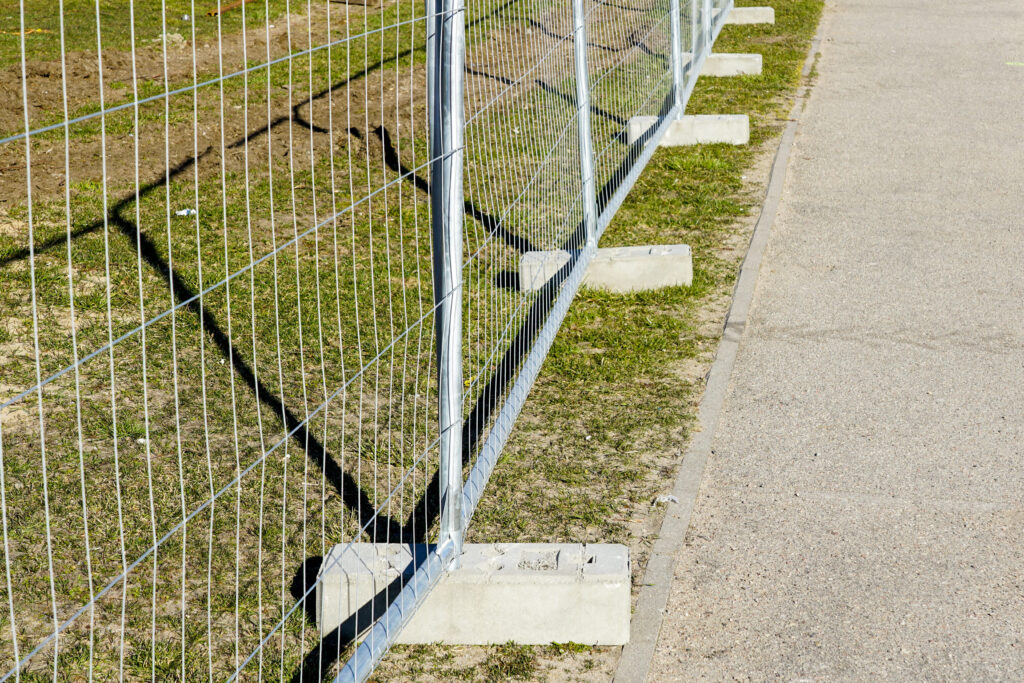
Temporary chain-link panels create a clear boundary around the work zone. They keep unauthorized people out. They protect the contractor from liability. And they satisfy OSHA requirements without any permanent installation.
Outdoor Events Cannot Function Without Temporary Barriers
Think about a music festival. Thousands of attendees with multiple entry points. You got the VIP sections and general admission areas side by side. Now, remove every barrier separating them in your mind only. The whole thing falls apart in minutes.
Portable fencing panels are what give large events their structure. They direct foot traffic toward the right gates. They block off backstage areas. They keep paying guests in the right zones. Event organizers rent them by the panel and set them up the night before. The next morning, they are gone.
Smaller events use them too. Like a local 5K race uses a handful of panels to build the starting corral. A farmers’ market can also use some lightweight barriers to separate vendor lanes.
Emergency Crews Depend on Portable Fencing to Move Fast
Responders have no time to wait when a water main bursts or a gas line gets hit. They need a perimeter up fast and portable fencing makes that possible.
The best part is that you do not need many people to do this job. Only a two-person crew can load and set up hundreds of feet of panels in under an hour without any heavy machinery. This creates an instant safe zone that keeps civilians back while workers do their job.
Vacant Lots and Empty Properties Need Protection Too
A developer buys a lot in Chicago. They won’t break ground for six more months. But the lot sits open and unlocked in an area where illegal dumping is a known problem.
Renting portable fencing for that lot is a smart and affordable move. It costs far less than a permanent fence on a property that the developer may not even keep for very long. It stops dumpers who typically avoid anything that looks actively managed. And it shows the city and neighbors that the space is being looked after.
Homeowners Use This Fencing For Pools and Renovations and Yard Projects
Most states require a strict barrier around an in-ground pool during the construction phase. Temporary fencing satisfies that legal requirement quickly and the best part is the price. It also keeps neighborhood children away from an open dig site, which is an obvious safety priority.
People can use portable panels during heavy landscaping work or major outdoor renovations. A solid section of fencing keeps pets and kids out of the active work zone if you are tearing up the backyard. This way, the project moves forward without any signs of stopping.
Conclusion
Temporary fencing is one of the most practical tools available for site security, crowd control and property protection. It works perfectly on construction sites and festivals, as well as emergency scenes, vacant properties and private homes. It goes up completely without digging and comes down without leaving a single mark. Portable fencing is almost always the right call if you need to secure a space quickly and responsibly.
Work With A Team That Gets It Done Right
Go Pro Waste Services is built for jobs that cannot wait. We provide dependable support that keeps your project on track, whether you are running a busy job site, organizing a large event, or managing a property in transition. Our crew is fast and our service is straightforward, plus we handle all the heavy work, so you do not have to lift a finger. Call us today and let us figure out exactly how we can help your project succeed.
Frequently Asked Questions
How long can temporary fencing stay up?
As long as you need it. Most rentals are available by the week or month and many construction projects keep panels up for a year or more. There’s no universal time limit as long as you’re maintaining the rental agreement.
Is it sturdy enough to actually stop people?
Yes, modern chain-link panels are designed to be both portable and solid. Weighted base feet keep them upright even in the wind. They’re a genuine deterrent for trespassers and not just a visual boundary.
Do I need a permit for it?
Usually not for private property. But if your fencing extends onto a public sidewalk or road-adjacent area, your city may require approval. It’s always worth a quick check with your local municipality before setup.
Does it work on uneven ground?
It does. The base systems are adjustable and panels can follow the natural grade of most terrain. For steeper slopes, a professional can recommend the right configuration to keep everything stable.
What’s the difference between temporary fencing and crowd control barriers?
Temporary fencing typically refers to chain-link panels used for perimeter security. Crowd control barriers like steel barricades are designed specifically to manage people in tight, high-density situations like concerts or parades. Both manage space but in different ways for different needs.