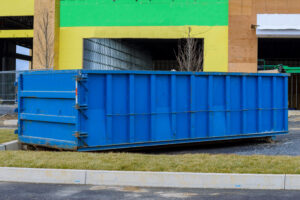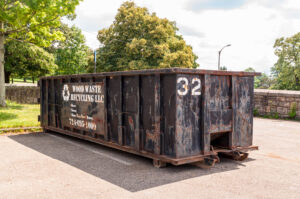
You may be wondering what size dumpster is ideal for your job in New Jersey. When it comes to selecting the appropriate waste size, many customers frequently struggle, particularly if they are hiring a dumpster for the first time. Selecting the appropriate dumpster size is essential to your project and will assist you in avoiding overspending on extra capacity. You may benefit from doing this effectively in a number of ways, including time savings, timely project completion, resource optimization, reduced trouble, and more.
You will discover all there is to know about selecting the appropriate dumpster size for your job in this dumpster sizes guide.
Containers Size Chart for NJ Projects
10 Yards
Two tons of weight is equivalent to ten yards of waste. This dumpster size is ideal for minor renovations and tasks.
20 Yards
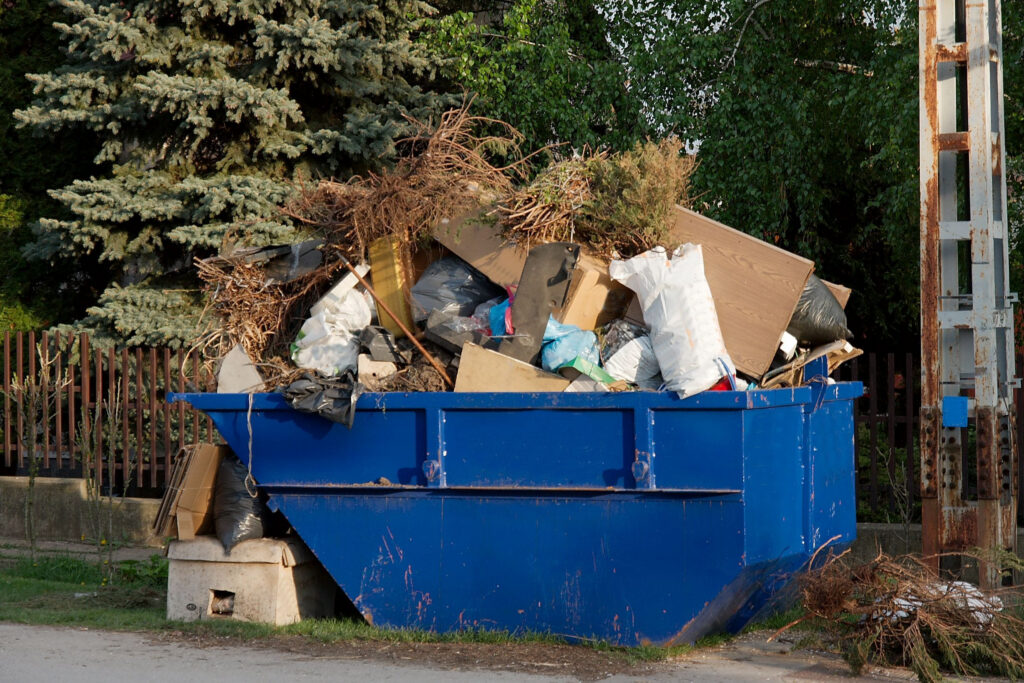
Get The Right Size Dumpster For Your Project
Medium-sized projects are best suited for this kind of dumpster. It is better suited for large amounts of waste material and has around six pickup truck loads.
30 Yards
You must select a 30-yard rental dumpster if your project generates a significant volume of rubbish. For large-scale projects, it can accommodate up to nine pickup truck loads.
40 Yards
The largest container size available, 40 yards, is perfect for lengthy jobs involving a lot of rubbish and debris.
How to Determine the Appropriate Dumpster Size
Because dumpster rentals are often rectangular, cubic space metrics are used. Its volume and feet are used to measure it. Whereas cubic feet make up the volume, cubic yards make up the volume.
For example, the dimensions of one cube are three feet by three feet by three feet. In light of this, the dumpster’s dimensions are multiplied to get its cubic volume. The size of the dumpster you need to buy will then be determined by converting this into cubic yards.
An Analysis of Typical Dumpster Dimensions
While the sizes offered by various dumpster rental businesses vary, they all have the same truckload and weight limits. The typical dumpster sizes are shown below.
- Mini Bins and 10-Yard Dumpsters: 10-yard dumpsters, measuring 10 feet by 7 feet by 4 feet, are the smallest. Their maximum weight is one ton, or four truckloads of waste.
- 20-Yard Medium Dumpsters: Next is the 20-yard medium-sized dumpster. The dimensions of these are 20 feet by 7 feet by 4 feet. Their maximum weight is three tons, or eight truckloads of waste.
- Large Dumpsters (Up to 30 Yards): 30 and 40-yard dumpsters are the biggest. Their maximum weight is six tons, or sixteen truckloads of waste. The dimensions of these big dumpsters are 20 feet by 7 feet by 4 feet.
Selecting the Appropriate Size for Each Project Type
Construction & General Cleanups
A bigger dumpster is unquestionably necessary if your job entails building or general cleanups. For basic cleanups, you may rent a 30-yard container since it can hold the majority of your debris. Nonetheless, the 40-yard dumpster, which is the biggest size, is appropriate for your building tasks. Because of its size, it can hold a lot of garbage and building debris.
Cleanups of the backyard and landscaping
The mid-sized dumpster is perfect for backyard waste, tree removal, and landscaping tasks since it has ample space for organic waste. The most common size, a 20-yard dumpster, provides plenty of space for furniture and other household items without taking up too much driveway space.
Remodeling and Renovations for Homes
You most likely need the smallest dumpsters if you’re thinking of repairing or renovating your house. For this type of endeavor, the 10-yard dumpsters, which are 10 feet by 7 feet by 4 feet, are perfect.
Why Should I Rent a Dumpster?
You can wait for the municipal disposal company to handle the garbage and debris by placing it on your curb. You never know if they’ll accept anything, and it’s horrible. If you have a lot of garbage or want to get rid of appliances or other specific goods, the disposal company cannot take them at all. Packing everything into a van or truck (if you have one) and making many trips to the landfill is your only remaining choice. Given all the stress and expenses involved, you were probably better off getting a professional solution right away. You must rent a dumpster for precisely that reason.
FAQs
Which Dumpster Is the Tiniest to Rent?
The smallest dumpsters available for hire are 10-yard dumpsters, which measure 10 feet by 7 feet by 4 feet. One ton, or four truckloads of rubbish, is the greatest weight they can carry.
What Does a 10-Yard Dumpster Hold?
Debris and rubbish from minor restorations and projects can fit in a 10-yard dumpster. Ten yards of rubbish, or two tons of weight, may fit in a 10-yard dumpster.
What is the maximum weight that a 20-yard dumpster can accommodate?
A 20-yard dumpster can hold up to three tons of rubbish, or eight truckloads.
When Would a 30-Yard Dumpster Be Necessary?
For large-scale renovations or remodeling, a 30-yard rental dumpster is appropriate. Up to nine pickup truck loads are required. It offers ample space for destroyed materials, outdated fixtures, and building waste.
How Can You Pick the Correct Dumpster Size for Your Remodeling Project?
If you want to restore or repair your home, you probably need the smallest dumpsters. The 10-yard dumpsters, measuring 10 feet by 7 feet by 4 feet, are ideal for this kind of undertaking.
When remodeling a bathroom, what size dumpster is necessary?
The 10-yard dumpsters, which measure 10 feet by 7 feet by 4 feet, are necessary since bathroom remodeling falls under the category of home improvement.
If I want to clean up my backyard, do I need a dumpster?
You will undoubtedly need a dumpster if your garden cleanup activity generates a lot of rubbish. A rental dumpster is necessary if your backyard produces tree branches, deteriorated fence, dirt, broken patio components, or general yard garbage.
Conclusion
Choosing the appropriate dumpster size for your job is covered in this article. Understanding waste sizes is crucial for improving project performance and preventing unneeded expenses. Prior to selecting the appropriate rental dumpster size, you must estimate the quantity of garbage your project will generate. Your project will be easier, cleaner, and more structured if you do this.